
A different anchor point. Same goal: fixed teeth.
Standard dental implants are designed to anchor into the alveolar bone of the upper or lower jaw. They work beautifully when that bone is intact. They don’t work when the upper jaw has resorbed past the point where there’s enough bone height, width, or density to hold them, which is the situation many patients find themselves in after years of missing teeth, denture wear, or prior failed implant work.
A zygomatic implant takes a different approach. It’s a longer fixture, typically 30 to 55 mm, that passes through the upper jaw and engages the zygomatic bone, the dense, paired bone that forms the prominence of the cheek. The zygomatic bone is robust, predictable, and almost never affected by the resorption process that destroys alveolar bone. It provides a reliable anchor for an implant in cases where the upper jaw cannot.
The end-state for the patient is the same as any other full-arch implant rehabilitation: a fixed, non-removable prosthesis screwed onto implants, designed to function like natural teeth for decades. The path there is different, and so are the cases that qualify.
It’s advanced surgery, and that’s the honest answer.
Zygomatic implant surgery isn’t the surgery a general dentist or even a busy implant office performs as part of routine practice. It requires:
- Specific surgical training. The anatomy of the zygomatic region, including proximity to the orbital floor, the maxillary sinus, the infraorbital nerve, calls for advanced surgical experience.
- Dedicated planning capability. Every zygomatic case is digitally planned from a full-volume CBCT, with implant trajectory simulated through the relevant anatomy before any drill touches bone.
- In-house sedation or general anesthesia. Most zygomatic cases are done under GA or deep IV sedation. An office that doesn’t deliver anesthesia in-house has to route the surgery through a hospital or surgical center, which changes the entire economics and accessibility of the procedure.
- Case volume. Like any advanced surgical technique, the outcomes improve with repetition. A surgeon who performs zygomatic surgery a few times a year isn’t making the same judgment calls as a surgeon for whom these cases are a recurring part of practice.
Most offices, very reasonably, refer these cases out or recommend extensive grafting as the alternative. That’s honest practice, but it’s also why “you aren’t a candidate” usually means “you aren’t a candidate in this office,” not “you aren’t a candidate anywhere.”
The patients zygomatic surgery was designed for.
- Adults with severe upper-jaw bone resorption who have been told they need extensive grafting before implants are possible, or that implants “aren’t an option” at all.
- Patients who’ve been wearing an upper denture for many years and want a fixed alternative.
- Patients with a prior failed upper-jaw implant attempt who don’t want to spend another year on grafting before trying again.
- Patients with maxillary anatomy that makes conventional implants high-risk: unfavorable sinus position, severe maxillary atrophy, certain post-trauma cases.
Not every patient who’s been told they aren’t a candidate is a zygomatic candidate. Some are candidates for All-on-4 with strategic angulation. Some are candidates for staged grafting if they’re willing to invest the time. The decision is made at the consultation with the imaging in front of us, comparing the realistic options side by side.
See complex implant surgery for how zygomatic cases fit into our broader advanced-surgery practice.
From the patient’s side of the chair.
Anesthesia. General anesthesia or deep IV sedation, administered at our facility. You’re not awake for the surgery. See sedation & anesthesia for the anesthesia detail.
The surgical day. Total time in the operatory typically runs 4–6 hours depending on the number of zygomatic implants and any conventional implants placed in the same procedure. Extractions, soft-tissue management, and impression capture for the provisional are all done in the same window.
Same-day teeth. For most zygomatic cases, a fixed provisional prosthesis is delivered the same day from our in-house lab. You leave the office with teeth in place, not a recovery plan and a wait.
Recovery. The first 48–72 hours involve soreness and swelling around the surgical sites, comparable to a full-arch case with extractions. Most patients report meaningfully less discomfort than they anticipated. Soft diet for 6–8 weeks; gradual return to normal eating after integration. We see you back for soft-tissue review at 7–14 days, and again at integration confirmation 3–6 months out.
Final prosthesis. Once integration is confirmed, the final prosthesis is designed and milled in-house. Most zygomatic finals at Revive are monolithic zirconia; some cases use a hybrid acrylic-on-titanium prosthesis where the biomechanics call for it.
The honest comparison.
For a patient with severe upper-jaw atrophy, the two realistic paths to fixed teeth are zygomatic implants or staged bone grafting followed by conventional implants. Neither is universally right. The trade-off:
Zygomatic implants
Shorter overall timeline: implants placed in a single surgical day, fixed provisional teeth often delivered the same day, final restoration 3–6 months out. More involved surgery up front, requiring sedation or GA and advanced surgical experience. Predictable in patients with the right anatomy.
Staged grafting + conventional implants
Longer overall timeline: 6–12 months of grafting before implant placement, then another 3–6 months for integration, then the final prosthesis. Less involved surgery per stage, but more total surgeries. Outcome depends on graft success, which carries its own variability and revision rate. May be the right answer for patients with mild to moderate bone loss who prefer staged surgery; rarely the right answer for severe atrophy.
The decision is made case-by-case. See bone grafting for the grafting-side picture, or book a consultation to put both paths side-by-side against your specific imaging.
Representative outcomes.
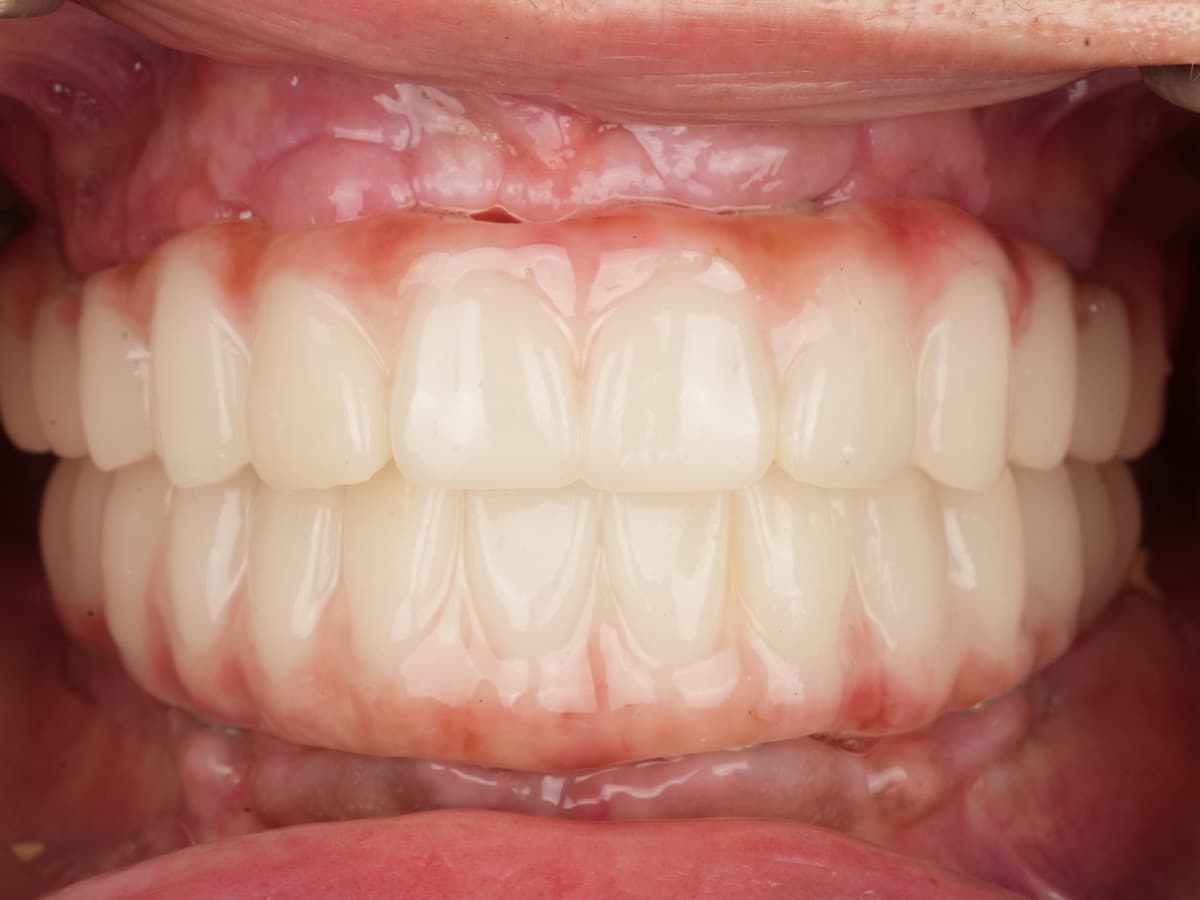
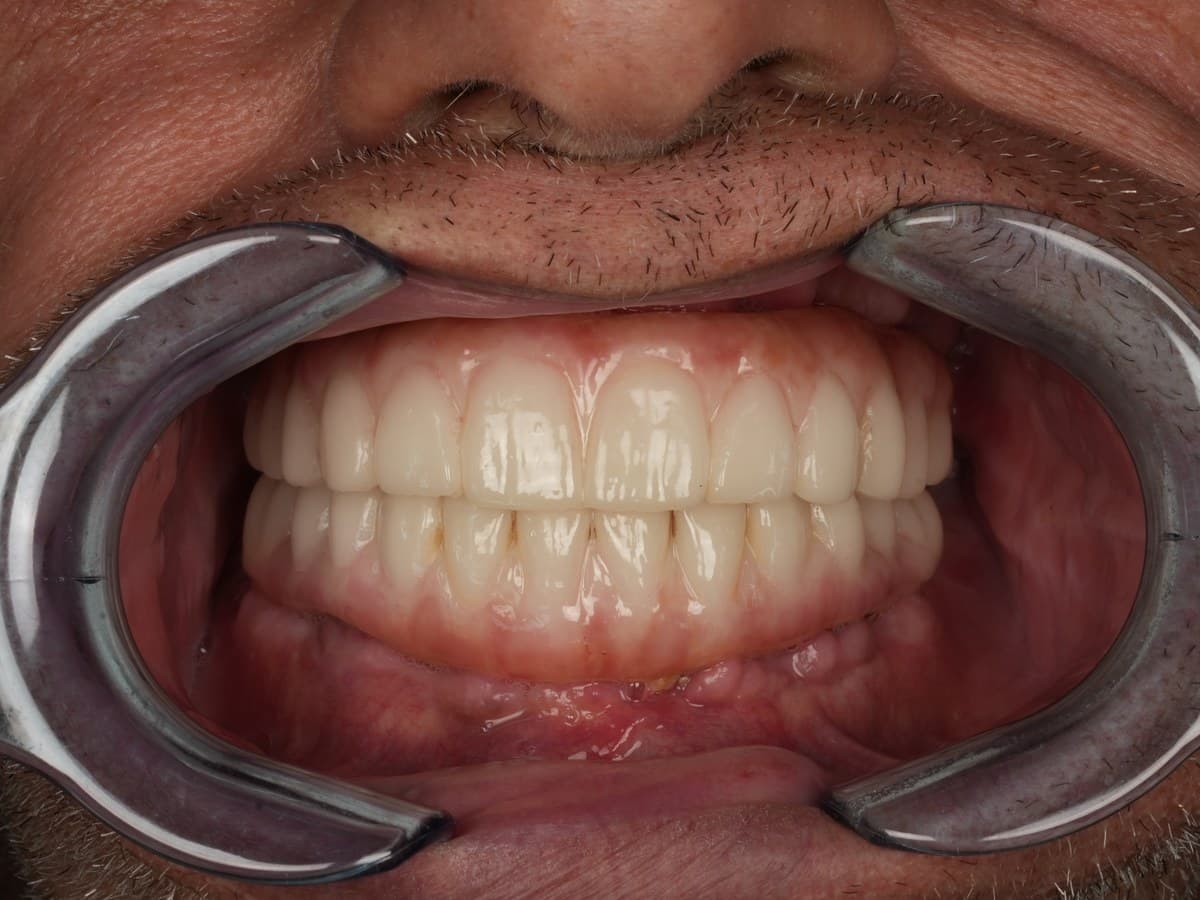
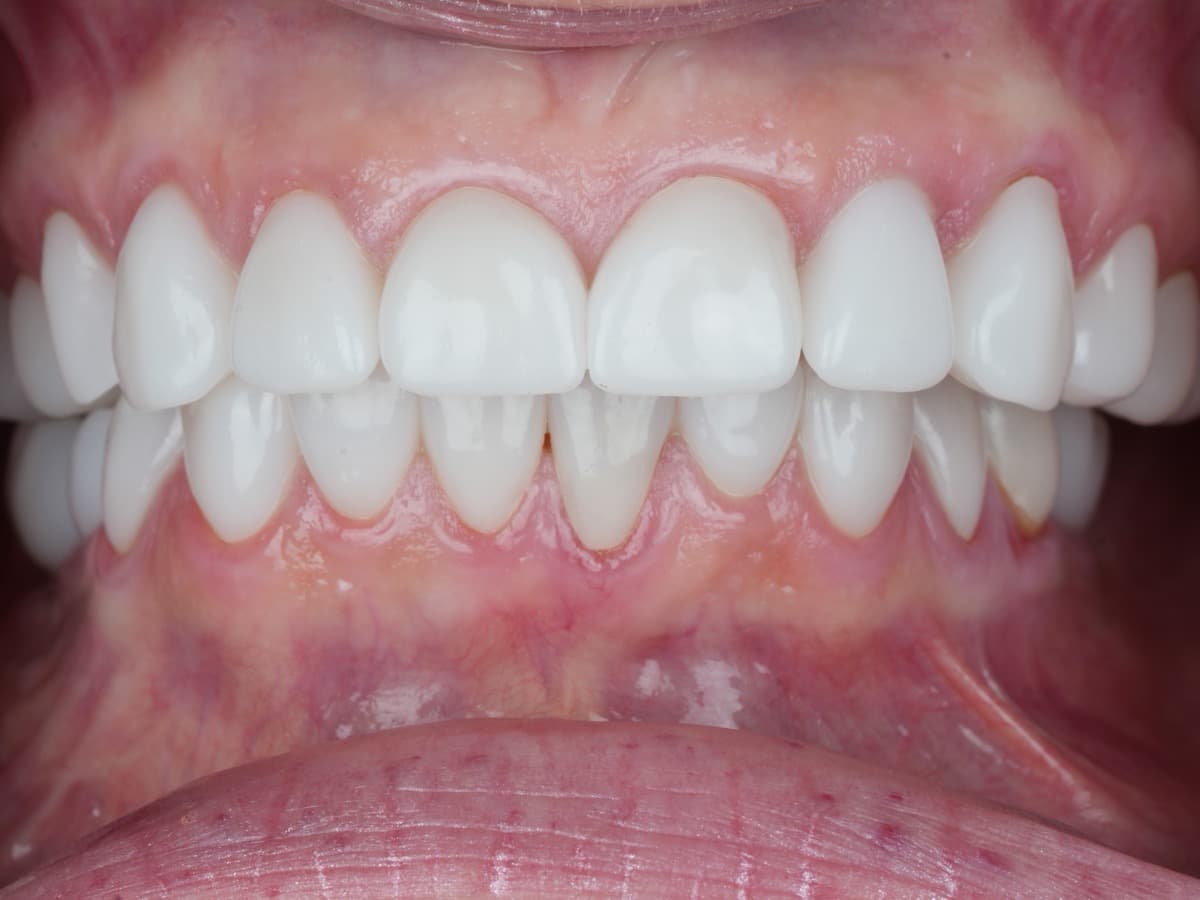
Anonymized zygomatic case narratives appear here once photography is complete. In the meantime, the homepage carries one representative upper full-arch case (Case 048); we walk through additional cases at consultation, with patient consent.
When the photography shoot is complete, this section will be a curated gallery filtered to zygomatic cases, each with brief surgical narrative, before/after pair, and outcome at the integration point.
A second opinion is worth the call.
If you’ve been told you aren’t a candidate for implants, particularly in the upper jaw, there is a meaningful chance zygomatic surgery is the answer for you, and a meaningful chance it isn’t. The only way to know is to put your CBCT in front of a surgeon who performs this work regularly.
Bring whatever imaging you have. We’ll review it with you, on screen, and tell you honestly which path fits. If the right answer for you isn’t zygomatic, we won’t pretend it is. Book a consultation or call (416) 499-7878.