
One missing tooth. The best answer for most patients.
A single dental implant replaces one missing tooth with a fixture seated in bone and a crown attached to it. The fixture acts as the new tooth root; the crown looks and functions like the natural tooth that was there. Once integrated, the implant is the most durable, predictable, and biologically appropriate replacement available.
The alternatives have meaningful trade-offs. Leaving a gap allows adjacent teeth to drift and bone underneath to resorb. A fixed bridge requires cutting down the two adjacent teeth to support the bridge, healthy teeth sacrificed for a single replacement. A removable partial denture is rarely worn long-term and doesn’t address the bone-loss problem at all. For most patients, an implant is the long-term right answer.
We’ve placed thousands of implants over the last 15 years across the full spectrum of cases. A single-tooth replacement gets the same digital planning, the same in-house lab workflow, and the same surgical judgment as a full-arch case, just scaled to the work involved.
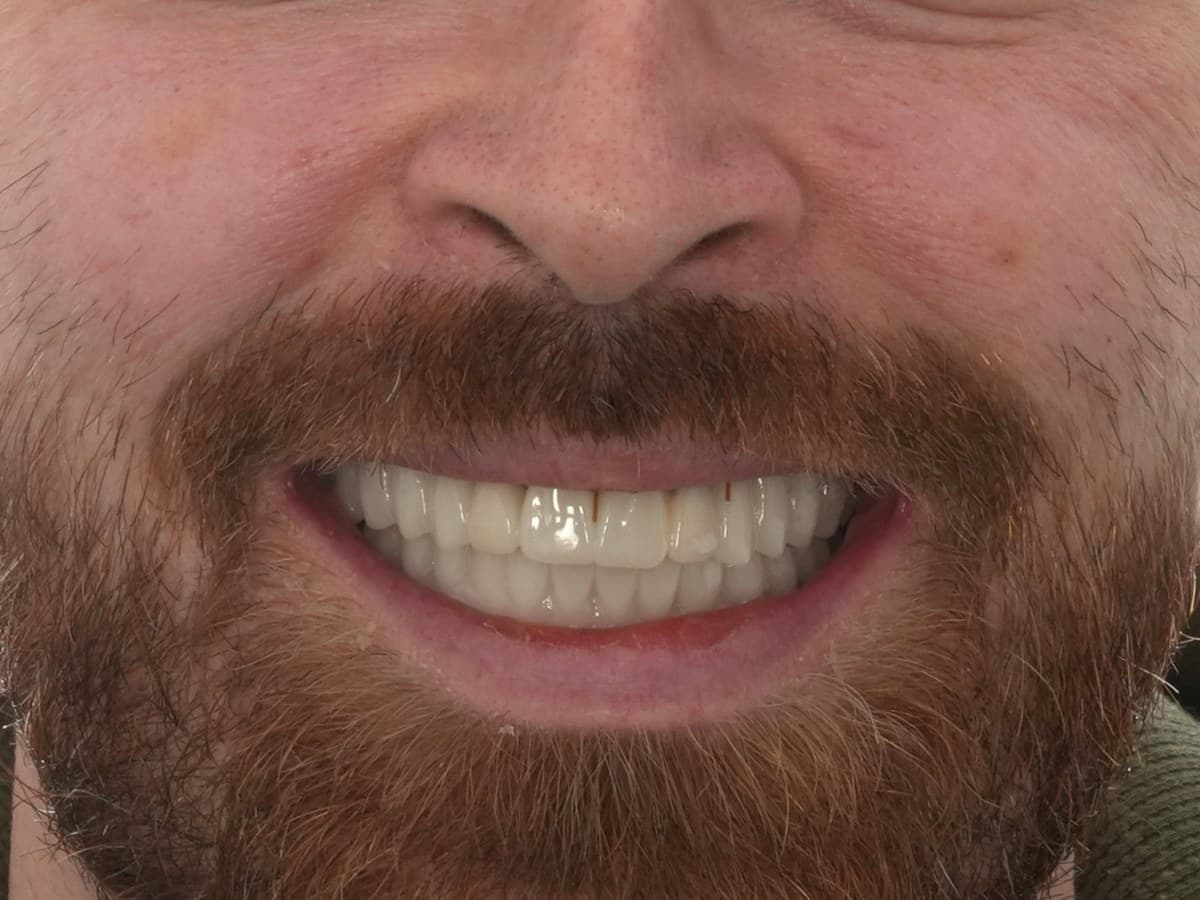
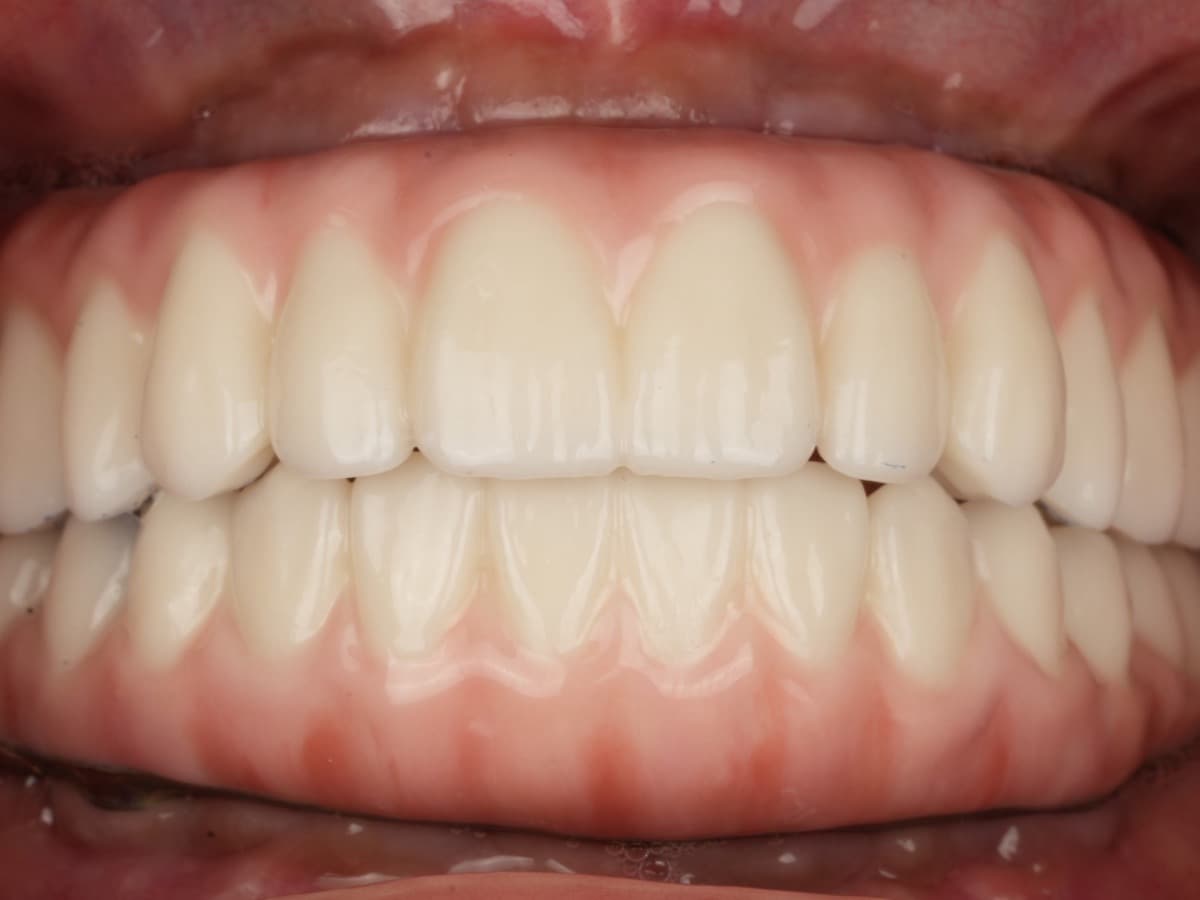
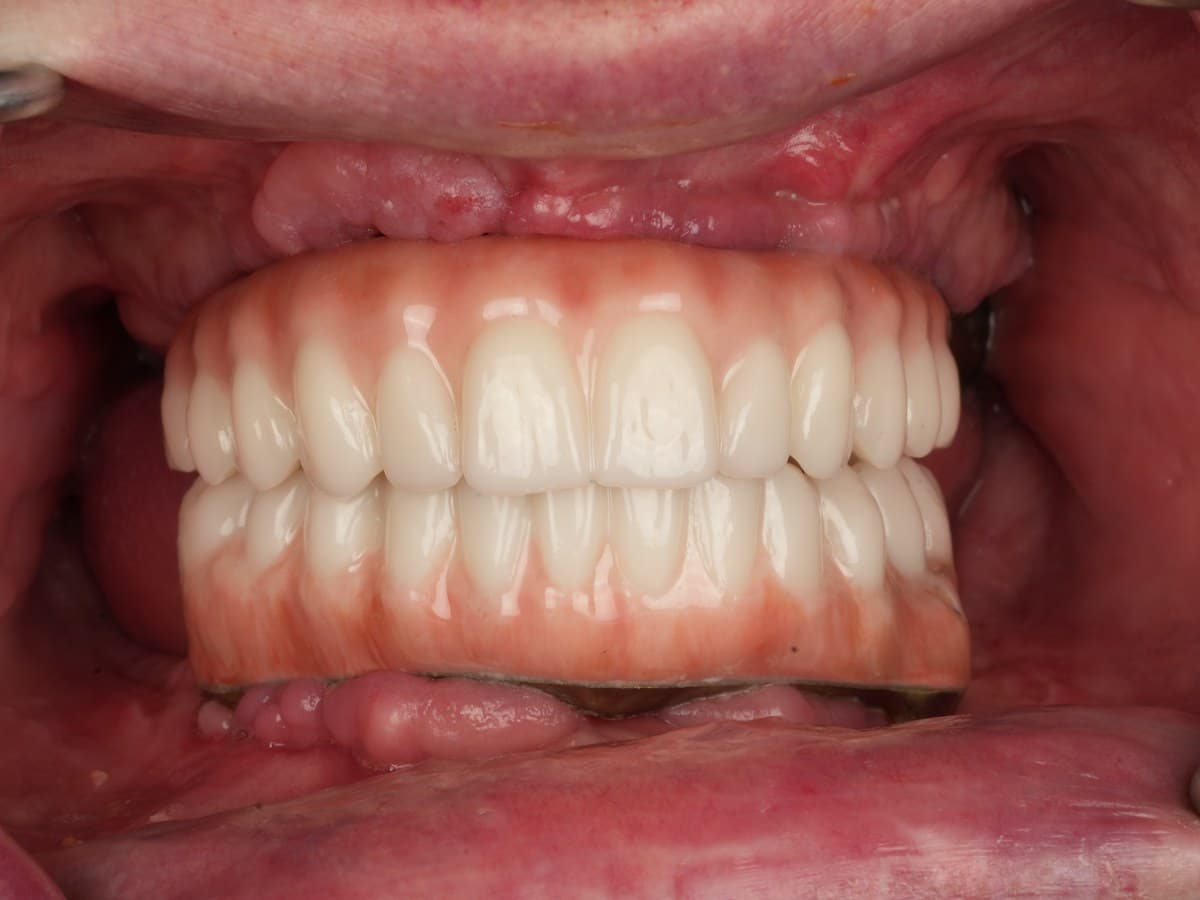
Two or three missing teeth: implants or implant bridge?
For two or three missing teeth, two options:
An implant at each position
Each missing tooth gets its own implant and crown. Preserves the bone under each tooth, looks and functions like individual natural teeth, and is the most flexible long-term. If one site needs revision years later, it doesn’t affect the others. The investment is higher, since each site is its own implant and crown.
An implant-supported bridge
Two implants placed at the outer positions, with a multi-tooth bridge attached. More cost-effective for multi-tooth gaps than placing implants at every position, and avoids cutting down adjacent natural teeth (which a traditional tooth-supported bridge would). Common for three- or four-tooth gaps.
The choice depends on the gap size, the adjacent dentition, the bone available at each potential implant site, and what you want from the result. We walk through both at the consultation with the CBCT in front of us.
For full-arch replacement (most or all teeth in an arch), see full-arch rehabilitation.
Even for “simple” cases.
A single implant looks straightforward. The crown that goes on top looks like any other crown. The judgment calls that determine whether the implant is still healthy and stable at year 10 or year 20 happen during planning and placement, and those calls benefit meaningfully from volume.
Position relative to adjacent teeth. An implant that’s too close to an adjacent root compromises the blood supply. An implant that’s too far creates aesthetic problems at the gum line.
Depth and angulation. An implant that’s too shallow doesn’t integrate reliably. One that’s too deep creates a long abutment and a less stable crown. Angulation has to balance bone availability, prosthetic emergence, and adjacent tooth geometry.
Distance from nerves and sinus. Lower-jaw implants live near the inferior alveolar nerve. Upper-jaw implants live near the maxillary sinus. The CBCT-driven planning and intraoperative judgment that keep implants safely away from both structures are not a generalist skill set.
Soft-tissue management. The aesthetic outcome of an anterior implant depends as much on how the soft tissue heals as on the implant itself. The difference between a 10-out-of-10 anterior implant and a 7-out-of-10 is almost entirely soft-tissue technique.
An implant-focused practice does these calls every day. That’s the difference you’re paying for, and the reason a single implant at Revive isn’t a shortcut version of our full-arch work, it’s the same workflow applied to a smaller case.
From consultation to crown.
Consultation. CBCT scan, intraoral scan, clinical exam, discussion of options and cost. 45–60 minutes.
Planning. Digital implant planning, written quote, surgical day scheduled. Usually within one to two weeks of the consultation.
Implant placement. 30–60 minute appointment under local anesthesia (or IV sedation if preferred). The implant is placed in the prepared site, with a healing cover or temporary abutment depending on the case. Most patients return to normal activity within a day or two.
Integration. 3–4 months for most cases. The implant fuses with the bone. For anterior teeth where aesthetic gap-coverage matters, a provisional crown can be fitted during this window.
Final restoration. Impression taken (or digital scan), final crown designed and milled in our in-house lab, and seated at a separate appointment.
Long-term. Routine hygiene visits and annual implant maintenance. See implant aftercare for the maintenance picture.
What’s included.
The implant fixture itself, surgical placement, local anesthesia (IV sedation available where preferred), the integration period follow-ups, the impression for the crown, and the final crown from our in-house lab. Cases that require additional bone work, grafting at placement, sinus lift, etc., are quoted as part of the written treatment plan; no surprise charges. See cost & financing for the full pricing picture.
For full-arch and complex cases, see full-arch rehabilitation and complex implant surgery. For everything else, book a consultation.